
















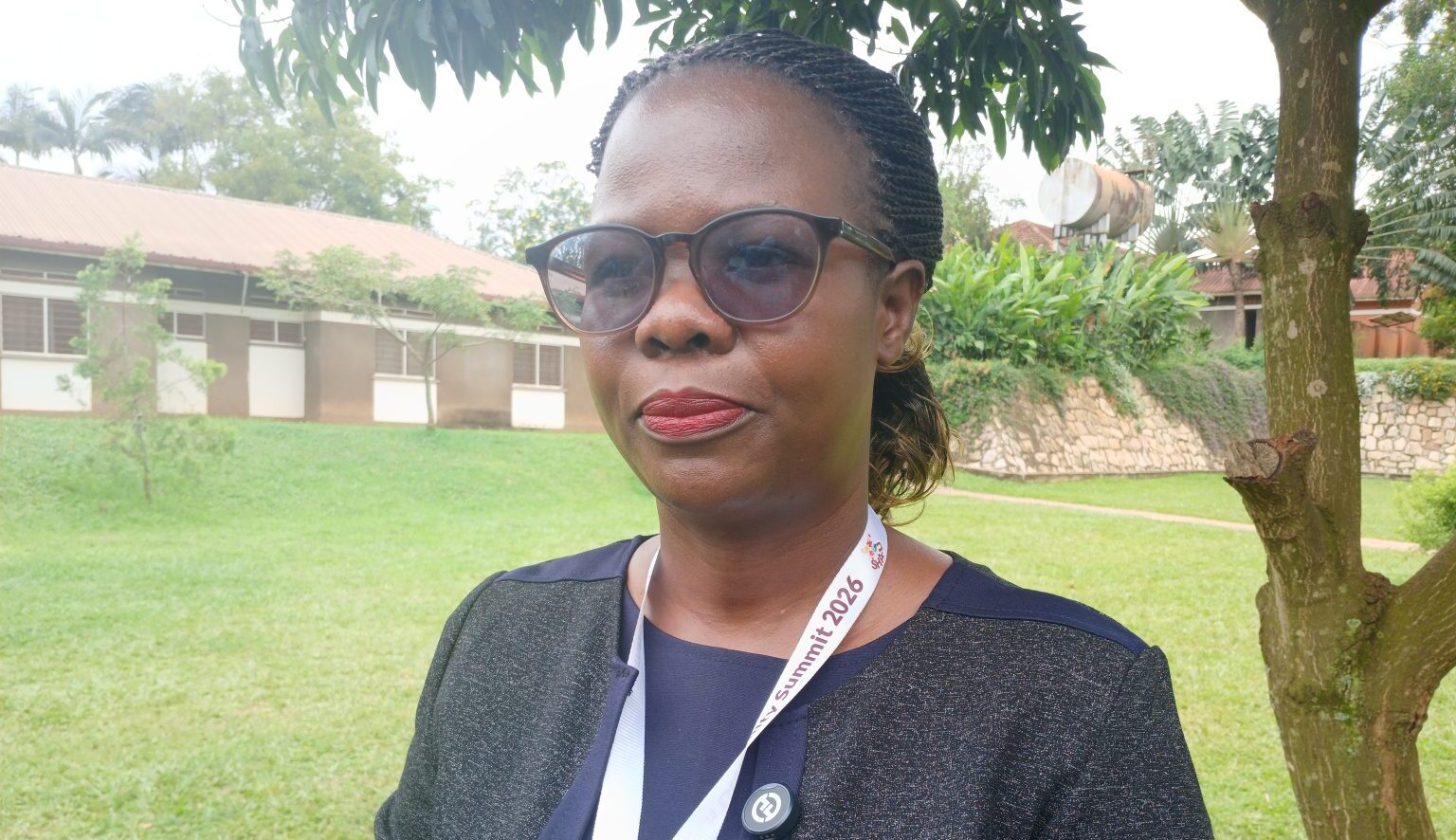
By Kabuye Ronald

The Spina Bifida and Hydrocephalus Association Uganda (SHAU) has called on the government to improve access to essential medical supplies and assistive technologies for persons with disabilities, warning that shortages of critical supplies could expose patients to severe complications, including kidney damage and death.
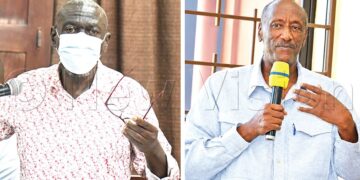
SHAU executive director Ruth Nalugya said the high cost and limited availability of essential medicines, urinary catheters and other care products were placing a heavy financial burden on families raising children with spina bifida and hydrocephalus.
She made the appeal during the National Disability Summit held in Namugongo to commemorate World Spina Bifida and Hydrocephalus Day, where health officials, young people with disabilities and other beneficiaries of surgical interventions discussed challenges affecting their health and wellbeing.
Nalugya explained that some children born with spina bifida require surgery to close an opening in the spine, while those who develop hydrocephalus may need surgery to insert a shunt, a medical device that drains excess cerebrospinal fluid from the brain.
She noted that patients with shunts require long-term monitoring and may need additional treatment, making the availability of medical supplies and continued access to healthcare essential.
Among the supplies she identified as urgently needed were oxybutynin, a medicine used to manage certain bladder conditions, urinary catheters and bowel-management kits.
Nalugya expressed concern that some of these items were not adequately included in, or supplied through, government medical supply systems, leaving families struggling to meet their children’s medical needs.
She also appealed to Parliament to reconsider taxes on diapers, saying their high cost was making it difficult for caregivers to obtain essential hygiene products for children who cannot independently control their bladder and bowel functions.
She said some children with spina bifida, particularly those who are still very young, depend on diapers throughout the day, increasing the cost of care for their families.
Robert Ssewagudde, the Member of Parliament representing persons with disabilities, pledged to advocate for Parliament to waive taxes on diapers and other essential care products used by children living with disabilities, particularly those with spina bifida.
His pledge comes amid concerns that the cost of daily care is placing an increasing financial burden on parents and caregivers, especially those from low-income households.

Meanwhile, Dr Moses Muwanga, the Ministry of Health assistant commissioner in charge of disability and rehabilitation, called for increased public awareness, early prevention of birth defects and improved access to healthcare and assistive technology for persons with disabilities.
Dr Muwanga said the ministry was strengthening public awareness campaigns to address myths, misconceptions and stigma surrounding disability.
He noted that disabilities affect people differently, including their mobility, vision, hearing and intellectual functioning, adding that greater public understanding was necessary to ensure that people received appropriate support.
He called for increased awareness of conditions such as spina bifida, hydrocephalus, cerebral palsy, autism and albinism, as well as the different healthcare and support needs of people living with them.
On prevention, Dr Muwanga emphasised the importance of preconception care, proper nutrition and early antenatal visits in promoting maternal and child health.
He encouraged women planning to become pregnant to seek professional medical advice and take folic acid before conception, in line with health guidelines.
Folic acid, a B vitamin, helps reduce the risk of neural tube defects, including spina bifida, when taken before conception and during early pregnancy.
Dr Muwanga also called for disability-inclusive infrastructure in health facilities and other public institutions, noting that some older buildings were constructed without adequate provisions for persons with disabilities.
He said such barriers could prevent people with disabilities from accessing essential services independently.
On rehabilitation, he highlighted the ministry’s programme to provide assistive technology to eligible persons with disabilities.
He explained that access to assistive products, including wheelchairs and other appropriate devices, involves assessment at health facilities, with distribution facilitated through the National Medical Stores.
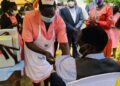
The summit, organised by SHAU, also featured a youth forum where participants with different disabilities shared their experiences, discussed common challenges and learnt from one another.
Discussions focused on psychosocial wellbeing, sexual and reproductive health, career guidance, misconceptions about disability and the experiences of young people at different stages of life.
The calls at the summit highlighted the need for improved access to essential medical supplies, inclusive public infrastructure, stronger public awareness and policies that make healthcare and daily care more affordable for persons with disabilities.