



















Uganda could be on the verge of a major breakthrough in HIV prevention following the introduction of Lenacapavir, a long-acting injectable drug that has demonstrated almost 100 percent effectiveness in preventing HIV infection during clinical trials.

Researchers and HIV advocates say the new injectable, administered only twice a year, has the potential to transform HIV prevention, particularly among key and priority populations who continue to face the highest risk of infection.
Speaking during a media café attended by journalists, Dr. Flavia Kiweewa, a researcher affiliated with Makerere University and Johns Hopkins University, described Lenacapavir as one of the most significant scientific advancements in HIV prevention in recent years.
She explained that the medicine was initially approved in 2022 for HIV treatment before researchers investigated its use as a preventive intervention. The goal was to overcome challenges associated with daily oral pre-exposure prophylaxis (PrEP), including poor adherence, stigma and forgetfulness.
“Daily oral PrEP has been effective, but many people struggle to take it consistently. Lenacapavir provides protection for six months after a single injection, making HIV prevention much easier for people at risk,” Dr. Kiweewa said.
The landmark PURPOSE 1 study evaluated the injectable among adolescent girls and young women aged 16 to 25 years in sub-Saharan Africa, a population disproportionately affected by new HIV infections.
Participants were recruited from high-risk communities, including fishing villages, mining areas, factory settings and communities surrounding bars. During the trial, none of the participants who received Lenacapavir acquired HIV, while 55 new infections were recorded among participants using oral HIV prevention methods.
Dr. Kiweewa said the findings demonstrated the medicine’s exceptional ability to prevent HIV infection and represented a major milestone in HIV research.
Following the successful trials, the United States Food and Drug Administration approved Lenacapavir for HIV prevention, and the World Health Organization later incorporated it into its HIV prevention guidelines.
Uganda has already registered the medicine and begun introducing it in selected health facilities. Currently, 103 health facilities are providing the injectable, with plans underway to expand access across the country.
The intervention is being prioritized for populations at substantial risk of HIV infection, including adolescent girls and young women, sex workers, men who have sex with men, people living in fishing communities, long-distance truck drivers and HIV-discordant couples.
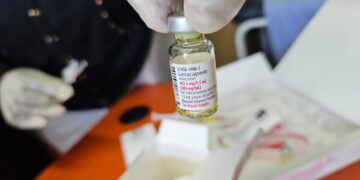
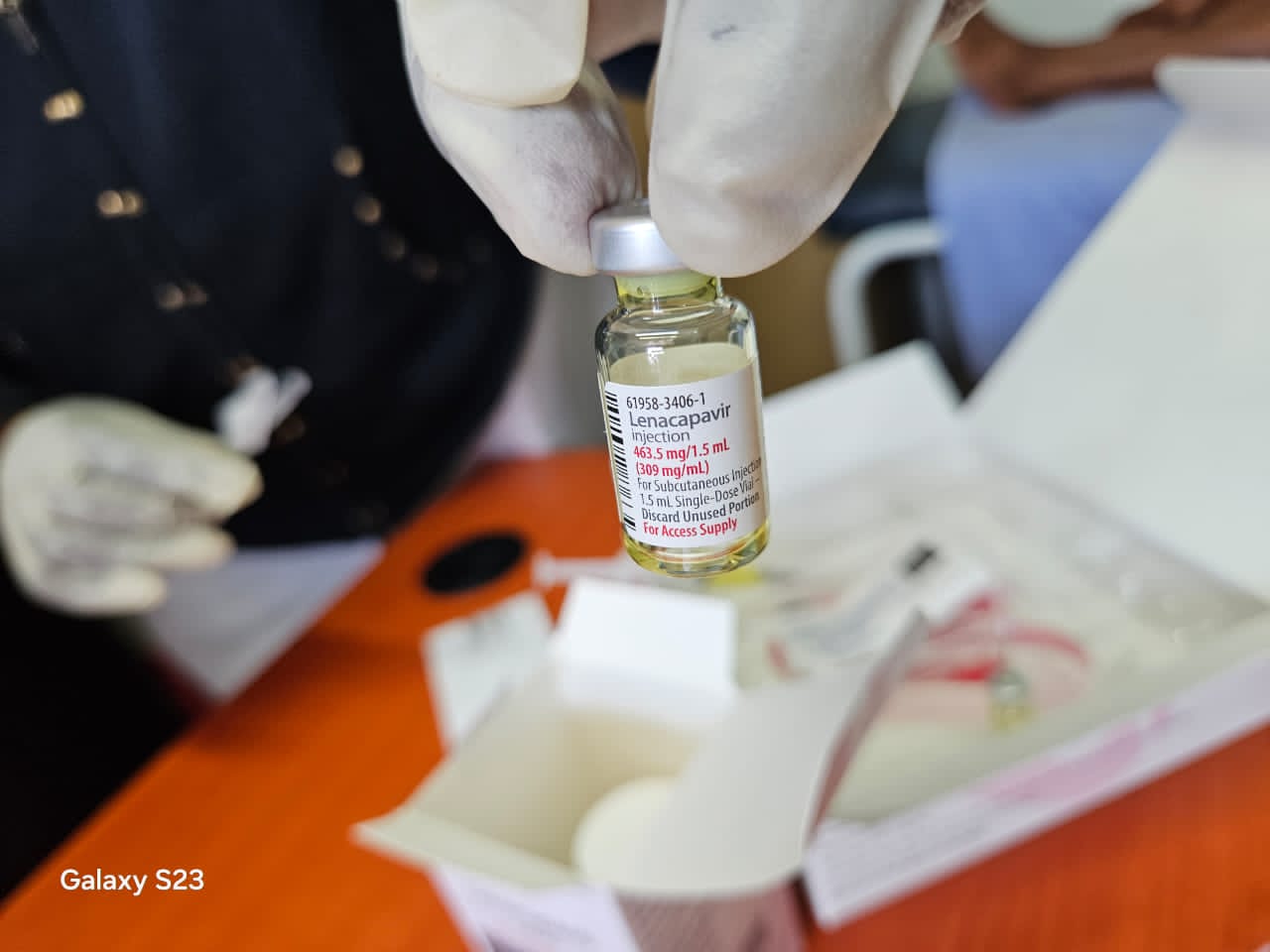
Lenacapavir is administered beneath the skin, where it forms a small drug depot that slowly releases medication over six months. It works by targeting the HIV capsid—the protective shell surrounding the virus—and interrupts multiple stages of the virus’s life cycle before infection can become established.
According to Dr. Kiweewa, the medicine has shown a good safety profile, with most users experiencing only mild side effects such as pain, swelling or skin changes at the injection site. Studies involving pregnant women have also found no significant safety concerns.
Despite the encouraging findings, she noted that HIV prevention continues to face challenges including stigma, transportation costs, limited awareness and poor adherence to daily medication. She said long-acting prevention methods could help overcome many of these barriers while reducing the number of clinic visits required.
The discussion also highlighted the importance of implementation science research to determine the most effective ways of delivering HIV prevention services, especially to mobile and underserved communities.
Micah Kulubya, Director of Programmes at the Uganda Key Populations Consortium, said Lenacapavir could significantly improve HIV prevention among key populations that continue to face high infection rates.
He noted that sex workers, men who have sex with men, fisherfolk and long-distance truck drivers often encounter stigma, discrimination and legal barriers that limit access to health services.
“Many key populations are highly mobile and may not always have access to condoms or daily oral PrEP,” Kulubya said. “A long-acting injectable that provides protection for six months offers a practical solution and gives people greater privacy.”
Kulubya emphasized that Lenacapavir should complement rather than replace existing HIV prevention methods by expanding the range of options available to individuals at substantial risk.
He called for continued investment in community education, stigma reduction and client-centred health services to ensure vulnerable populations fully benefit from the new intervention.
HIV prevention advocate Moses Super Charger described Lenacapavir as one of the most innovative HIV medicines ever developed because it targets the virus differently from existing antiretroviral drugs.
He explained that Lenacapavir is the first HIV capsid inhibitor, disrupting the virus before it integrates into human DNA and preventing it from completing its life cycle.
“This drug attacks HIV in a completely different way from previous medicines, making it a groundbreaking scientific achievement,” Moses said.
Although Lenacapavir can also be used in combination with other medicines to treat HIV, he said its greatest promise lies in preventing new infections among HIV-negative individuals.
Researchers are now exploring combinations of Lenacapavir with other long-acting HIV interventions to further improve effectiveness and reduce dosing frequency.
However, challenges remain in scaling up access. Manufacturing the medicine is a complex process that takes approximately 18 months per production batch. To address this, Gilead Sciences has signed agreements with six generic manufacturers to increase production and lower costs. The United States government has also committed support aimed at reaching about two million people across ten countries, including Uganda.
As Uganda continues to strengthen its HIV response, experts believe Lenacapavir could become a game-changing addition to existing prevention strategies. However, they stressed that its success will depend on sustained investment in public awareness, health systems, manufacturing capacity and equitable access.
With nearly 100 percent effectiveness demonstrated in clinical trials and the convenience of just two injections each year, Lenacapavir offers renewed hope that Uganda can further reduce new HIV infections and move closer to ending AIDS as a public health threat.