














By Jael Namiganda

As climate shocks intensify across the region, climate change advocates are calling for increased funding, stronger local engagement, and policies that reflect the lived realities of the communities most affected.
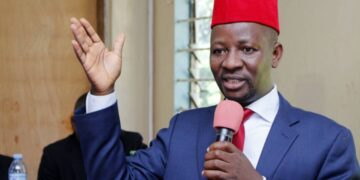
Climate and health advocate Harry Simuntala has raised growing concern about the worsening impact of climate change on vulnerable communities across the Global South, warning that the crisis is now directly threatening public health systems and deepening existing inequalities.
Speaking during a Cross-Border Café, Simuntala noted that marginalized communities those with limited access to healthcare, clean water, and stable infrastructure are carrying the heaviest burden of climate-driven shocks.
He emphasized that as extreme weather events intensify and temperatures continue to rise, new evidence shows climate change is rapidly becoming a public health emergency, with the most severe effects falling on the world’s poorest and most vulnerable populations.
Health professionals agree that climate change is no longer just an environmental issue. It has become a major risk multiplier for health, amplifying challenges for communities already struggling with inadequate healthcare services. Rising cases of malaria, cholera, and heat-related illnesses; disruptions to maternal and child health services; limited access to emergency care during floods, droughts, and storms; and increasing food insecurity triggered by unpredictable weather patterns are among the most pressing concerns.
Simuntala stressed that as the global community rallies to address the climate crisis, pledges must translate into concrete action—action that protects health, strengthens community systems, and prioritizes vulnerable voices.
At the same event, Mudenda Mweeta from Zambia Apex University highlighted key commitments made as world leaders, scientists, and civil society gathered in Belém for COP 30. He noted that the conference underscored a critical reality: climate change is no longer a distant threat but a present and urgent health emergency requiring bold, coordinated responses.
Mweeta cited several important commitments, including:
- Governments pledging to provide clean cooking solutions to 140 million people every year, a major step toward reducing deadly household air pollution.
- Urban transport plans being reframed not only as carbon-reduction strategies but also as life-saving interventions that reduce cardiovascular diseases by cutting transport-related pollution.
- Integrating urban mobility transitions to lower emissions and improve public health.
- Framing climate adaptation as health protection, covering areas such as wildlife management, freshwater restoration, and the strengthening of coastal ecosystems to build resilience.