




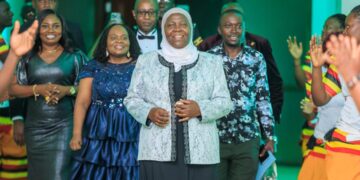







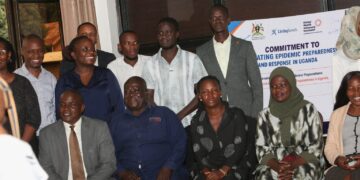





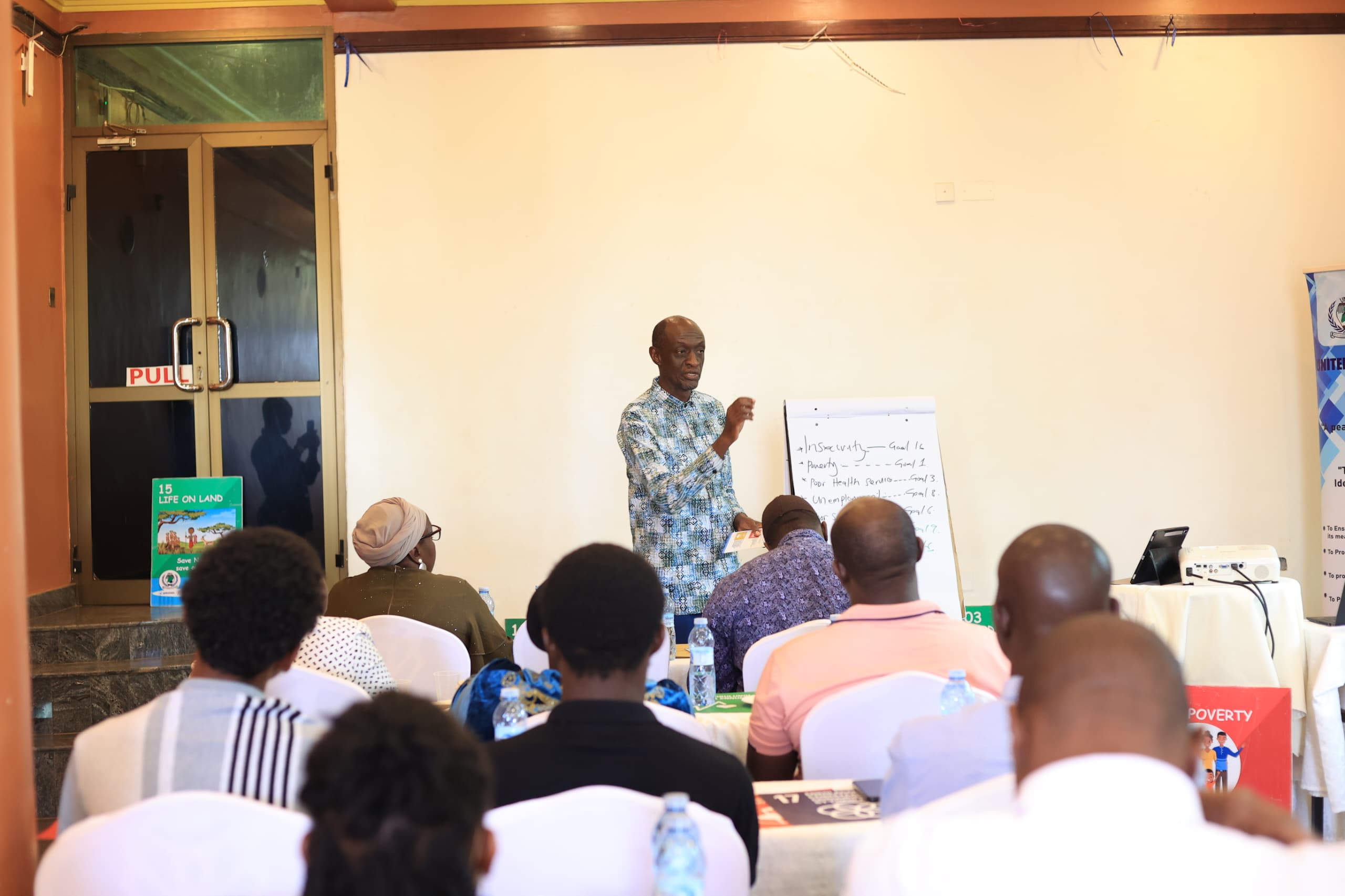
The United Nations Association of Uganda on Wednesday convened a meeting of political and local leaders in Kampala to strengthen efforts toward accelerating the implementation of the Sustainable Development Goals (SDGs) by the 2030 deadline.

The meeting, held at Minister’s Village Hotel in Ntinda, brought together newly elected and incumbent leaders to deepen their understanding of how governance, budgeting, and policy-making at local levels can directly contribute to national and global development targets.
Richard Baguma Tinkasimiire, Secretary General of UNAU, emphasized that Uganda’s National Development Plan is firmly anchored in the global SDG framework. He noted that the active involvement of political leaders is essential for translating these goals into tangible outcomes.
“The reason we engaged leaders, including the newly elected ones, is to help them understand the interlinkages between development objectives, the global SDG agenda, and the National Development Plan,” Baguma said. “When allocating resources and making by-laws or ordinances, their decisions must align with achieving these objectives by the time they leave office and by 2030.”
Hajji Kakaire Ashraf, the SDGs focal point person at Open Space Centre and lead facilitator at the training, underscored the critical role of local governments as the operational backbone of SDG implementation. He highlighted Uganda’s evolving approach from Voluntary National Reviews to Voluntary National Local Reports, signaling a shift toward localized accountability.
“It is encouraging to see local leaders, especially councillors, take interest in the SDGs and their role in improving community well-being,” Kakaire said. “Through this initiative, we are equipping them with knowledge on the country’s development journey and how best to position Uganda to achieve these goals—particularly in improving livelihoods, protecting the environment, and promoting infrastructure development.”
Participants welcomed the training, describing it as eye-opening and practical. Nambaale Zaintuni, a councillor from Lubaga Division, said the engagement had enhanced her understanding of her responsibilities in driving development.
“This training has helped me understand what I ought to do to ensure people benefit from these goals,” she said. “I have also learned the importance of partnering with different stakeholders to address community needs.”
Councillor Kaggwa Deo echoed similar sentiments, noting that nearly all SDGs directly impact local government operations. He stressed the need for leaders to prioritize long-term, solution-driven planning over short-term interests.
“In Kampala, for instance, a lot of focus is placed on road construction, yet many roads deteriorate within a few years,” Kaggwa said. “Flooding is a major issue that shortens road lifespan and affects the public significantly. We must prioritize such challenges and plan for future impacts of our actions.”
The training comes ahead of the 2026 High-Level Political Forum (HLPF), which will convene under the theme: “Transformative, equitable, innovative and coordinated actions for the 2030 Agenda and its SDGs for a sustainable future for all.”
Organizers expressed optimism that empowering local leaders with the right knowledge and tools will significantly boost Uganda’s progress toward achieving the SDGs within the remaining years to 2030.